
Case Studies for Anthropology UPSC PDF
Anthropology is a popular optional subject for the UPSC Civil Services Examination, and one of the key components of mastering this subject is the effective use of case studies. These case studies not only provide practical illustrations of anthropological theories but also enhance the quality of your answers, making them more compelling and insightful. In this blog post, we will delve into the significance of case studies in Anthropology for UPSC, how to effectively use them, and where to find valuable resources like PDFs. Additionally, we'll highlight how Vijetha IAS Academy can be instrumental in your preparation journey.
You can get the book here Paper 1 :- https://www.amazon.in/dp/B0D81ZJHX7
Why Are Case Studies Important in Anthropology for UPSC?
1. Illustrating Concepts with Real-World Examples
Case studies bring theoretical concepts to life by demonstrating their application in real-world scenarios. This makes it easier for aspirants to understand and remember complex ideas.
2. Enhancing Answer Quality
Incorporating relevant case studies into your answers can make them stand out. They provide concrete examples that support your arguments and show a deeper level of understanding.
3. Developing Analytical Skills
Analyzing case studies helps in developing critical thinking and analytical skills. These skills are crucial for the UPSC exam, where you need to present balanced and well-reasoned answers.
4. Improving Retention
Stories and examples are easier to remember than abstract concepts. Case studies help in better retention of information, which is beneficial during the exam.
Key Areas for Case Studies in Anthropology
1. Cultural Anthropology
Focus on case studies related to rituals, kinship systems, and cultural change. For example, the study of the Toda tribe can illustrate unique cultural practices and social structures.
2. Social Anthropology
Examine social patterns and practices, such as social stratification and gender roles. Case studies on the caste system in India can provide insights into social hierarchies and their implications.
3. Biological Anthropology
Explore case studies related to human evolution, genetic studies, and primate behavior. For instance, the analysis of bipedalism can shed light on human evolutionary adaptations.
4. Archaeological Anthropology
Study past human societies through material remains. Case studies on ancient civilizations like the Indus Valley can help understand their social, economic, and cultural aspects.
5. Applied Anthropology
Look at case studies that show the practical application of anthropological methods in solving real-world problems, such as public health initiatives or development projects.
You can get the book here Paper 2:- https://www.amazon.in/dp/B0D8WNCJVZ
How to Use Case Studies Effectively
1. Integrate with Theory
Ensure that your case studies are integrated seamlessly with theoretical concepts. Use them to illustrate and support your arguments, rather than presenting them in isolation.
2. Be Concise
While case studies are important, they should not overwhelm your answers. Be concise and focus on the key points that directly relate to the question.
3. Stay Relevant
Choose case studies that are directly relevant to the question. Irrelevant examples can detract from the quality of your answer.
4. Keep Updated
Stay updated with recent developments and current affairs that can be linked to your case studies. This shows your ability to connect static knowledge with dynamic developments.
Finding Case Studies for Anthropology UPSC PDF
Finding reliable and comprehensive case studies can be a challenge. However, there are several resources available that can help you compile a robust set of case studies for your UPSC preparation.
1. Books and Journals
Refer to standard Anthropology textbooks and academic journals that provide detailed case studies. Books like "Cultural Anthropology" by Conrad Kottak and "Physical Anthropology" by Philip L. Stein are excellent resources.
2. Online Resources
Websites and online platforms offer a wealth of information. Websites like the American Anthropological Association (AAA) and National Geographic provide access to various case studies.
3. PDF Compilations
Many coaching institutes and educational platforms offer PDF compilations of case studies specifically tailored for UPSC. These compilations are often curated to cover important topics and provide ready references for quick revision.
4. Vijetha IAS Academy Resources
Vijetha IAS Academy provides meticulously curated study materials, including detailed case studies and their analyses. Our resources are designed to help students understand complex concepts and apply them effectively in their answers.
How Vijetha IAS Academy Can Help
1. Expert Guidance
Anthropology at Vijetha IAS Academy is taught by renowned faculty, including NP Kishore sir, who brings extensive knowledge and practical experience to the classroom. With a double masters from the UK and a background in various multinational companies as a scientist, Kishore sir offers unique insights that enrich the learning experience.
2. Comprehensive Study Material
Vijetha IAS Academy provides meticulously curated study materials that include detailed case studies and their analyses. These resources are designed to help students understand complex concepts and apply them effectively in their answers.
3. Interactive Learning
The Academy's interactive learning approach encourages students to engage with case studies actively. Through discussions, group activities, and presentations, students develop a deeper understanding of the subject and enhance their analytical skills.
4. Test Series and Feedback
Regular test series and personalized feedback at Vijetha IAS Academy ensure that students continuously evaluate their progress. Detailed feedback helps identify strengths and areas for improvement, enabling aspirants to refine their approach and excel in the UPSC examination.
5. Holistic Support
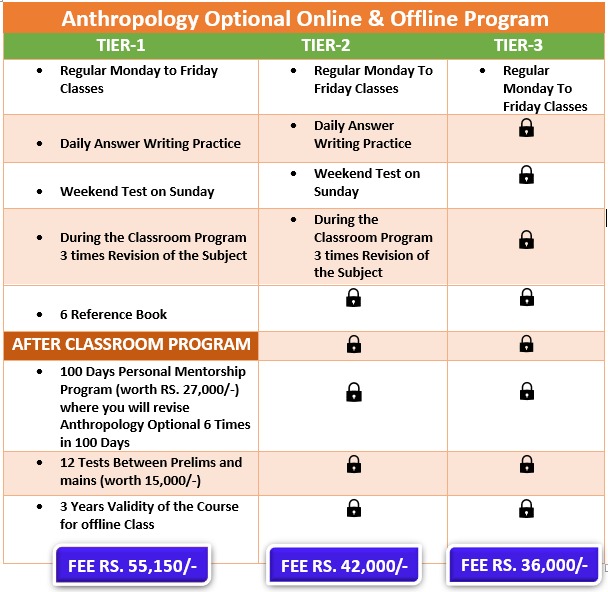
Vijetha IAS Academy offers a holistic support system that goes beyond classroom teaching. From mentorship programs to daily answer writing sessions, the Academy provides comprehensive support to help students achieve their goals.
Conclusion
Case studies are an indispensable part of Anthropology preparation for the UPSC exam. They provide real-world examples, foster critical thinking, and enrich answers, making them more compelling and insightful. Accessing and effectively using case studies through resources like PDFs can significantly enhance your preparation.
At Vijetha IAS Academy, we are committed to helping aspirants master this crucial aspect of Anthropology through expert guidance, comprehensive study materials, and interactive learning methods. With the right approach and support, mastering Anthropology can be a rewarding and successful endeavor for UPSC aspirants.